Engineering Design and Product Definition
Senior mechanical and design engineers developing complex products from technical requirement to manufacture-ready definition.
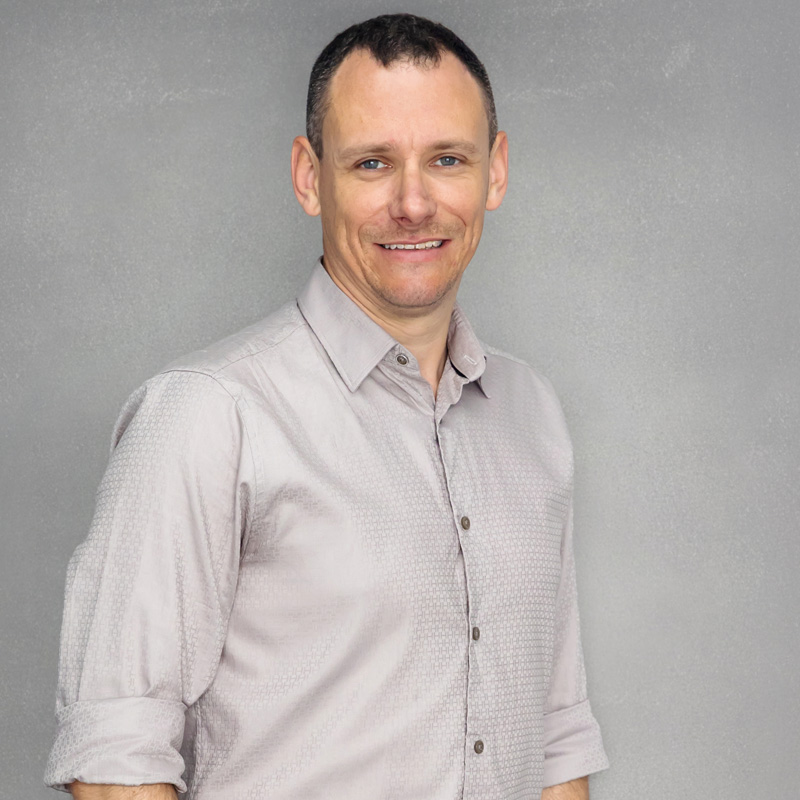
Speak with PTL’s engineering design team led by Mike Cranfield, Engineering Design Director.
You may need to develop a completely new product, resolve a difficult mechanical problem or add specialist capability to an established internal team.
PTL is here to support you from the point your programme has reached today.
Our engineers provide engineering scope definition, concept architecture, mechanical design, packaging, engineering analysis, tolerance definition and design for manufacture. You will work directly with people who understand that a successful product must meet performance requirements, package and ultimately be built.
PTL works across PTC Creo, Siemens NX, SolidWorks and Autodesk Inventor, allowing us to integrate with your existing design environment or establish an appropriate platform for a new programme.
More than CAD resource
A design can look complete on screen while remaining unresolved as an engineering product. Its loads may not be properly defined. Interfaces may be based on assumptions. Tolerances may not reflect the manufacturing process. Service access may be poor. Loading may not be properly defined. Interfaces may be based on overly simplified assumptions.
PTL does not provide CAD capacity in isolation. We develop components, mechanisms, subsystems and machines from a defined engineering basis. Geometry is supported by calculations, analysis, materials knowledge and practical consideration of how the product will be manufactured, assembled, tested and maintained.
Call us today on 01273 466 666 or send us an email.
Establishing the design basis
Strong design decisions begin with clear requirements.
PTL can help define the required function, operating conditions, loads, interfaces, packaging envelope, target life, manufacturing volume and acceptance criteria.
Where requirements are incomplete or conflicting, these are addressed before they become embedded in detailed geometry. This is particularly important when several teams or suppliers are involved. A clear design basis gives each party a consistent understanding of what the product must achieve and which interfaces cannot be changed without wider consequences.
Developing the right technical architecture
Alternative concepts should be assessed while they remain practical to change. PTL can develop and compare different technical approaches, system layouts, production and construction method, component arrangements and levels of integration.
The assessment may consider performance, efficiency, mass, complexity, thermal behaviour, controllability, durability, component availability, manufacturing route and development risk. The objective is not to select the most visually developed concept. It is to establish which technical architecture provides the strongest basis for detailed engineering.
Mechanical design and product definition
PTL develops mechanical components and assemblies across complex machinery, engines, energy equipment, mobility systems, motors, pumps and actuation systems. This may involve housings and structures, rotating assemblies, cranktrains, drivetrains, mechanisms, pumps, valves, hydraulic circuits, mountings, support structures and test equipment.
The work can cover a complete system or a defined component or subsystem within a customer-led programme.
PTL can also review and develop an existing design where additional specialist capability or independent engineering judgement is required.
PTC Creo, Siemens NX, SolidWorks and Autodesk Inventor
PTL uses established CAD platforms to support different industries, customers and supply chains.
PTC Creo and Siemens NX can support complex components and assemblies requiring advanced geometry, structured product definition and controlled integration.
SolidWorks and Autodesk Inventor provide effective routes for mechanical products, industrial machinery, test equipment and supplier-led development programmes.
The choice of platform can be aligned with the customer’s existing environment, supplier requirements and long-term ownership of the design data. The software enables the design work. It does not replace the need to understand the physical product.



Design supported by engineering analysis
PTL integrates analysis into the development process rather than treating it as a final approval exercise.
Structural loads, fatigue, thermal behaviour, fluid flow, kinematics, dynamics and system performance can be considered as the design evolves. This allows weak technical routes to be identified while they remain relatively easy to change.
Where the evidence does not support the design, the design is revised. That is more valuable than using analysis to justify a decision that has already been made.
Tolerances, GD&T and interface control
A design is not ready for manufacture until the intended function has been translated into controlled engineering information.
PTL can support tolerance studies, datum strategies, GD&T-based drawings, fits, clearances, interface control and inspection requirements. This is particularly important where several suppliers are producing parts that must assemble and operate as one system.
The aim is not to impose unnecessarily restrictive tolerances. It is to control the characteristics that affect function while allowing the product to be produced economically and repeatedly.
Design for manufacture and assembly
PTL continually considers the manufacturing route, throughout the development of a new engineering product.
The design may need to account for machining, fabrication, welding, casting, formed components, bought-in hardware, assembly sequence, inspection access and supplier capability.
For an early prototype, the priority may be flexible manufacture and ease of modification. For production, the emphasis may shift towards controlled tolerances, reduced part count, reliable sourcing and repeatable assembly.
PTL can also support products that require redesign because they are too costly, difficult to assemble or unsuitable for the required production volume.
Redesign and engineering improvement
Existing products may require attention because of field failures, test results, excessive weight, difficult packaging or inconsistent manufacture. PTL begins with the available evidence.
The visible problem may originate from the component design, material choice, tolerance stack, duty cycle, adjacent system or manufacturing process.
The redesign is then directed at the root cause rather than the most obvious symptom.
What you receive
The output depends on the stage and scope of the programme.
It may include specification documentation, concept layouts, architecture comparisons, CAD models, assembly definition, manufacturing drawings, calculations, interface information, tolerance requirements and bills of material. PTL can also prepare supplier work packages, respond to manufacturing queries and revise the design in response to prototype or test evidence.
The objective is to leave you with controlled engineering information and a design capable of progressing with confidence.
Relevant experience
PTL’s design experience includes production and research powertrains, industrial heat pumps, pumps, valves, electric motors, actuators, energy equipment, mobility systems, test rigs and specialist machinery.
Mike Cranfield
Engineering Design Director
Mike supports programmes requiring practical engine and powertrain design input, with experience across gasoline, light-duty and heavy-duty engine design, advanced powertrain system design and packaging.
Call us today on 01273 466 666 or send us an email.
Speak with PTL’s engineering design team, led by Mike Cranfield, Engineering Design Director
Mike leads PTL’s engineering design input on programmes requiring practical engine, powertrain and complex mechanical-system expertise, drawing on experience at Paragon Porsche and Ricardo.
Share the requirement, current design information and the problem that needs to be resolved. We will help you define the route towards an engineering solution suitable for your technical program.