Control Systems, Electronics and Embedded Software
Integrated controls and embedded software developed by engineers who understand the physical machine behind the code.
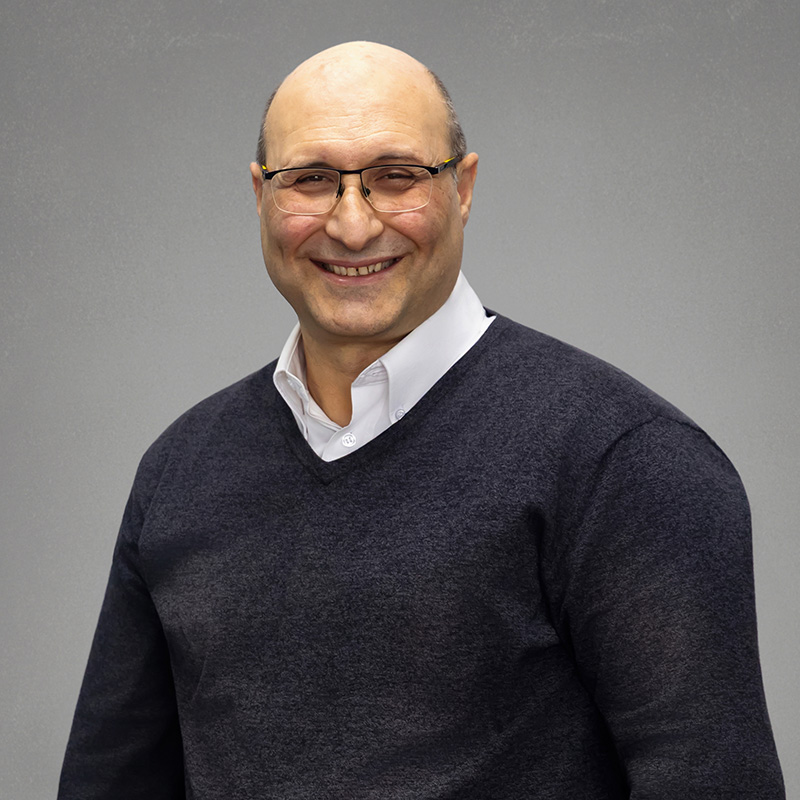
Speak with PTL’s control systems team led by Riccardo Meldolesi, Technical Director
You may need a new control architecture, a prototype controller, improved system stability or specialist support integrating sensors, actuators and mechanical hardware. PTL is here to support the complete development route.
Our controls engineers work alongside mechanical, electrical, hydraulic and simulation specialists. This allows us to understand how the real system behaves before defining the electronics and software intended to control it.
If you need Matlab Simulink or GT-SUITE dynamic modelling, control algorithms, embedded firmware, motor controllers, inverters, sensor integration, schematic capture or PCB development, you are in the right place.
At a glance
Architecture and modelling | Algorithms and embedded software | Electronics and PCB development | Motor and hydraulic control | Integration and commissioning
Control development starts with the machine
The response of a control system is determined by the physical equipment around it. Inertia, friction, compressibility, fluid flow, heat, electrical limits, sensor delay and actuator behaviour all influence what the software can achieve.
PTL begins by defining the operating states, inputs, outputs, loads, response requirements, fault conditions and safety behaviour of the complete system. This prevents the control architecture from being developed in isolation from the machine it must operate.
Call us today on 01273 466 666 or send us an email.
Control-system architecture
PTL can define the relationship between controllers, sensors, actuators, power electronics, communications, data logging and operator interfaces. The architecture must account for the functions being controlled, the speed and quality of the available measurements and the consequences of a fault.
It must also reflect the maturity of the programme. A development prototype may require flexibility, visibility and rapid parameter changes. A product-intent system may require a more controlled architecture, defined interfaces, diagnostic capability and formal verification.
The correct architecture should provide a credible route from the current development stage into whatever comes next.
Matlab Simulink and GT-SUITE dynamic modelling
Matlab Simulink and GT-SUITE can be used to model system response before the final hardware exists. The model may represent the mechanical system, actuator, hydraulic circuit, electric motor, thermal behaviour or wider plant.
PTL can then investigate stability, timing, actuator sizing, sensor requirements and alternative control strategies. This helps identify situations where the algorithm can improve the response and situations where the physical hardware itself must change.
It can also reduce the risk of discovering fundamental control limitations during commissioning.


Control algorithms
PTL can develop control strategies for position, speed, torque, pressure, flow, temperature, load and energy management. The work may also include motor commutation, hydraulic actuation, automated test sequences, supervisory control and coordinated operation of several subsystems.
The appropriate method depends on the available measurements, system dynamics, required response and consequences of a fault. The algorithm is therefore developed within the context of the physical engineering system rather than as an independent software exercise.
Electronics and embedded software
PTL can develop the electronic hardware and embedded software required to implement the control strategy. Hardware support may include controller architecture, power supplies, signal conditioning, sensor interfaces, actuator drivers, communications, schematic capture and PCB layout.
Embedded development may include real-time control, device drivers, state machines, communications, calibration, diagnostics, data logging and fault handling.
The software should be structured so that its behaviour can be understood, tested and modified as the physical system develops.
Motor controllers and inverters
Electric motors and motor-driven systems require electromagnetic, thermal, mechanical and control behaviours to be considered together. PTL can support motor-control architecture, inverter requirements, sensor selection, embedded algorithms, calibration and integration with the wider machine.
Motor-CAD, system simulation and dynamic modelling can be used where electromagnetic performance, thermal limits and control response must be considered together.
Where bespoke motor design is also required, PTL can connect the control work with its wider electric-motor engineering capability.
Electro-hydraulic controls
Hydraulic systems create different control challenges. Valve behaviour, fluid compressibility, pressure, flow, friction and mechanical loading all affect achievable response.
PTL can combine hydraulic-system understanding with dynamic modelling and embedded-control development. This supports actuators, variable mechanisms, test rigs and systems requiring stable and repeatable control under changing loads.
Where performance is limited, the investigation can address the hydraulic architecture, actuator sizing, sensing and software together.
Sensors, data logging and HMIs
A control system depends on the quality of the information it receives. PTL can define sensing requirements, operating ranges, signal conditioning, sampling, communications and diagnostic data.
Data loggers and development interfaces can be incorporated where the system must generate evidence during prototype or test activity. Human-machine interfaces can also be developed where an operator needs to select modes, adjust defined parameters, monitor status or respond to alarms.
The objective is to provide useful control and visibility without obscuring the engineering behaviour beneath unnecessary complexity.
Integration and commissioning
The final stage brings the electronics, software, sensors, actuators and physical machine together. PTL can support hardware bring-up, input and output checks, sensor calibration, actuator commissioning, communications testing and progressive expansion of the operating envelope.
Unexpected behaviour is investigated across the complete system. The cause may sit in the code, electronics, mechanics, hydraulics, sensor configuration or original dynamic model.
Effective commissioning requires the ability to move across these disciplines and distinguish the visible symptom from the governing cause.
What you receive
The scope may include control requirements, architecture, dynamic models, algorithms, schematics, PCB layouts, embedded code, firmware, communications definitions and calibration information.
It can also include verification plans, commissioning records, diagnostic strategies and operator documentation.
The objective is to deliver a control system that is understood, testable and capable of further development – not hardware and software that operate only under demonstration conditions.
Relevant experience
PTL’s experience includes electric motor systems, inverters, hydraulic mechanisms, variable actuation, test rigs, pumps, compressors, mobility systems, energy equipment and specialist machinery.
The team includes dedicated control and software expertise alongside engineers experienced in system simulation, hydraulic analysis, motor development and physical testing.
Past work has included integrated eBike drive concepts, motor-driven systems, dynamic test equipment and control software for complex mechanisms.
Related PTL capability
Control-system development often connects with PTL’s wider work in Motors and Precision Control Systems. These capabilities can be brought into the same programme where bespoke motor design, electro-hydraulic actuation or broader system integration is required.
Riccardo Meldolesi
Technical Director
Riccardo is the lead technical contact for motor, precision control and multi-physics programmes.
Call us today on 01273 466 666 or send us an email.
Speak with PTL’s controls and embedded systems team led by Riccardo Meldolesi, Technical Director
Riccardo leads PTL’s R&D activity and oversees the analysis and simulation team, with experience spanning Maserati, Ricardo and Southwest Research Institute.
Share the system function, current hardware, operating range and control problem that needs to be resolved. PTL will connect you with the specialists whose experience best matches the programme, drawing on controls, software, simulation, mechanical and hydraulic expertise as required.
We will help you establish whether the next stage should be dynamic modelling, architecture definition, prototype electronics, embedded software or integrated commissioning.